


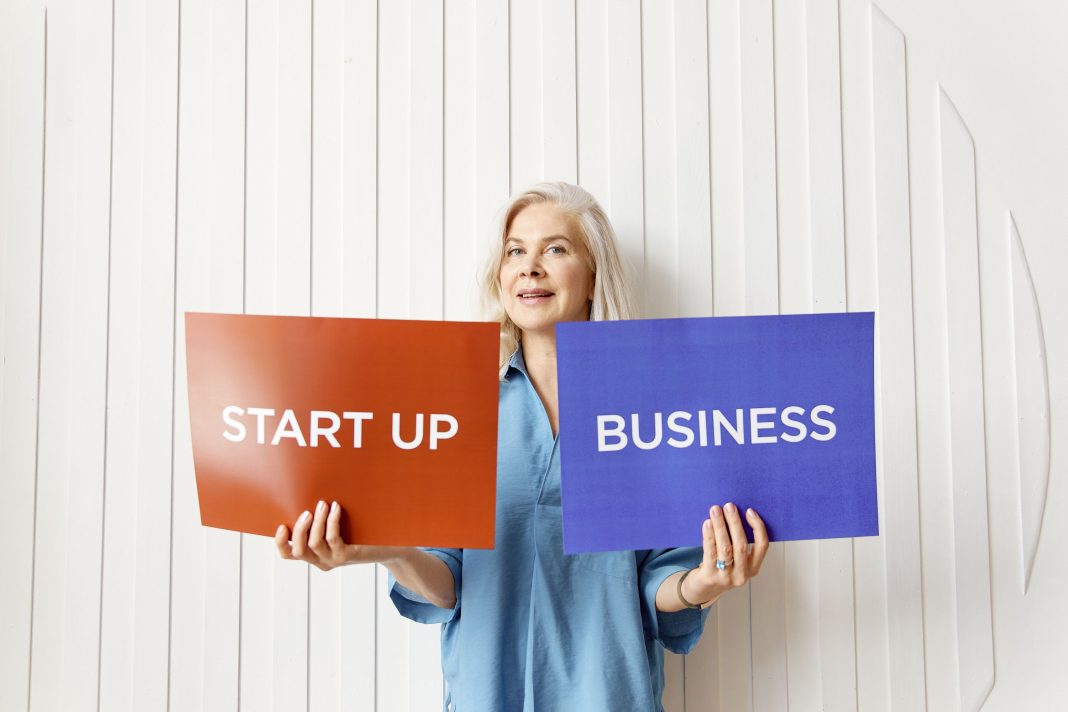

At first glance, a startup and a small business may seem similar: small team, limited budget, founder wearing many hats. But down below, they’re based on totally different philosophies. If you’re an entrepreneur trying to figure out whether your idea should be a startup or a small business, or an investor trying to decide where to put your money, understanding the difference between a startup vs small business matters.
Here’s a detailed comparison of the factors that actually differentiate the two.
1. Innovation
Startups exist to solve a problem in a new way. Innovation is the core of their identity — whether that’s a new technology, a disruptive business model, or an entirely new market category. A startup’s value proposition is usually “nobody has done this before” or “we’re doing this radically better.”
Small businesses, on the other hand, typically operate on proven, established models — a restaurant, a salon, a local consulting firm, a retail store. Innovation isn’t the point; reliable execution is. A small business succeeds by doing something familiar well, not by reinventing it.
2. Scalability
It’s one of the clearest divides between the two.
- Startups are meant to grow fast and big. The idea is to scale from a few customers to millions or a huge chunk of the market, often without a proportional increase in cost (think software companies).
- Growth for small businesses tends to be linear and controlled, adding another location, another employe, a slightly larger customer base each year. Growth is steady and local or regional, scaleability is not usually built into the core model.
3. Funding
The sources of funding tell you a lot about what each type of company is trying to do.
- Startups typically get funding from angel investors, venture capital (VC) firms, and accelerators. They are shooting for exponential growth so they may be losing money for years in the hopes of getting it back later. Seed, Series A, B and C rounds of funding are common;
- Funding for small businesses can come thru personal savings, bank loans or small business grants. Profitability from day one is key. There’s no VC cushion to absorb losses. The financial route is far more conservative.
4. Technology
The sources of funding tell you a lot about what each type of company is trying to do.
- Startups typically get funding from angel investors, venture capital (VC) firms, and accelerators. They are shooting for exponential growth so they may be losing money for years in the hopes of getting it back later. Seed, Series A, B and C rounds of funding are common;
- Funding for small businesses can come thru personal savings, bank loans or small business grants. Profitability from day one is key. There’s no VC cushion to absorb losses. The financial route is far more conservative.
5.Growth Strategy
- Startups aim for quick, sometimes aggressive growth, and may prioritize user acquisition or market share over immediate profit. The mentality is “grow fast, take over the market and then figure out sustainable profitability.”
- Moreover, small businesses thrive on sustainable, steady growth. From day one, profits matter and growth only happens if it is profitable to do so.
6.Business Goals
- Typically, startups are thinking of a big exit, be it an acquisition, an IPO or becoming a big player. The endgame is typically a big payday for founders and investors.
- Small businesses tend to be about consistent income, catering to a local or niche community, and creating something that the owner can operate in the long term or pass on. There’s rarely a “exit strategy” in the VC-sense.
Final Thoughts
Neither model is “better”—they’re built for different purposes. A startup is a bet on fast, scalable disruption, typically with outside capital and high risk. A small business is a wager on steady, sustainable value creation in a known market.
If you are building something new and looking for visibility, resources, or a place to list and grow your startup, platforms like ListMyStartup can help you get discovered by the right audience, investors, and early adopters, something that’s especially valuable in the startup ecosystem where visibility often makes or breaks early traction.
Your ultimate choice depends on your goals: a small business model is the right choice if your goals are control and steady income. If scale, innovation, and a tolerance for risk is what you’re after, then the startup path is for you.